If you're replacing a flat, upgrading your wheels, or just checking whether the tires on your Chevy Rogue are the right size, knowing the Chevy Rogue original wheel and tire measurements helps avoid fitment issues, speedometer errors, or rubbing against the fender wells. It’s not about specs for the sake of specs it’s about keeping your vehicle safe, legal, and functioning as designed.
What do “original wheel and tire measurements” actually mean for a Chevy Rogue?
“Original” means the exact wheel diameter, width, bolt pattern, offset, and tire size that came installed from the factory no substitutions, no assumptions. For example, a 2018–2023 Chevrolet Rogue typically shipped with 17-inch alloy wheels and 225/65R17 tires. That number breaks down to: 225 mm tread width, 65% aspect ratio (sidewall height relative to width), radial construction (R), and 17-inch rim diameter. The wheel itself is usually 7 inches wide with a 5×114.3 mm bolt pattern and +40 mm offset.
When do people need this info and why it’s easy to get wrong
You’ll need these measurements when buying replacement tires, switching to winter wheels, or verifying if a used set fits your Rogue. A common mistake is assuming all “17-inch” wheels are interchangeable. They’re not. A 17×7.5 wheel with +35 offset may clear fine, but a 17×8 with +25 offset could rub at full turn even if the tire size matches. Another frequent error: using the tire size printed on the sidewall without checking the door jamb sticker, which lists the factory-specified size for your specific trim and model year.
How to find your exact original specs fast and reliable
The quickest way is to check the driver’s side door jamb sticker. It shows the recommended cold inflation pressure and the OEM tire size like 225/65R17 102H. For wheel details (width, offset, bolt pattern), consult your owner’s manual or look up your VIN on GM’s parts site. If you own an older model, like the 2005 Chevrolet Rogue, note that early Rogues were rare some listings confuse them with Nissan Rogues, so double-check sources carefully.
What happens if you use the wrong size?
A tire taller than stock (e.g., 235/70R17 instead of 225/65R17) throws off your speedometer by ~3 mph at highway speeds and can trigger ABS or traction control warnings. Wheels with too much negative offset push the tire outward, risking contact with suspension components or fenders. Too much positive offset tucks the wheel inward, stressing wheel bearings and altering steering geometry over time.
Where to go next for confirmation
If you’re unsure whether your current setup matches factory specs or want to compare options side-by-side the Chevy Rogue original wheel and tire measurements FAQ includes year-by-year tables and visual fitment notes. For deeper detail on how offset affects handling, see the Chevrolet Rogue stock tire size specifications page.
Quick checklist before buying new wheels or tires
- Check your door jamb sticker not just the tire sidewall for the correct OEM size
- Confirm wheel width, offset, and bolt pattern match your Rogue’s year and trim
- Avoid mixing tire sizes front-to-rear unless explicitly approved by GM
- Verify load index (e.g., “102”) and speed rating (e.g., “H”) meet or exceed factory specs
- Test-fit one wheel before mounting all four, especially if using aftermarket rims
For reference, the official NHTSA maintains tire safety standards and recall information relevant to replacement fitment.
 Finding the Correct Tire Size for Your Chevrolet Rogue
 Factory Tire Dimensions for Chevy Rogue
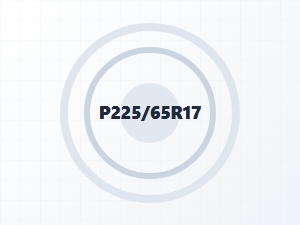 Chevrolet Rogue Stock Tire Size Faq
 Will Aftermarket Rims Fit My 2005 Chevy Rogue Wheels
 Finding Chevrolet Rogue Tire Pressure Specifications
 Chevrolet Rogue Factory Wheel Bolt Pattern Measurement